
Plate Rolling & Forming Services in Malone, Wisconsin
Accurate Plate Rolling and Forming Delivered to Exact Specifications
Flat metal is full of potential. In the right hands, with the right equipment and the right understanding of material behavior, a sheet of steel becomes a cylinder, a cone, an arc, or a curved structural component engineered to exact dimensional requirements. That transformation — from raw flat stock to a finished, functional form — demands more than machinery. It demands operator knowledge, process discipline, and a genuine command of how different metals respond to pressure, temperature, and tooling. At Halbach Inc, plate rolling and forming have been a cornerstone of our work for over 40 years, serving clients who cannot afford dimensional error and will not settle for imprecise results.
We are rooted in Malone, Wisconsin, and proudly extend our plate rolling and forming capabilities to the surrounding communities of Fond du Lac, North Fond du Lac, Waupun, and Ripon. Across Fond du Lac County and the neighboring agricultural and industrial corridors of east-central Wisconsin, the need for accurately formed metal components is constant — from farm infrastructure and processing equipment to commercial construction and custom industrial fabrication.
Plate rolling and forming is a process where precision at the setup stage determines the quality of the finished piece. Feed angle, roll pressure, material thickness, and alloy characteristics all interact in ways that require genuine expertise to manage correctly. Our team brings that expertise to every job — dialing in the parameters before the first pass and maintaining dimensional control throughout the process. The result is curved and formed metalwork that meets specified radii, holds its geometry under load, and integrates cleanly into the assemblies and structures it is designed to serve.
Our Plate Rolling & Forming Capabilities
Cylindrical Plate Rolling
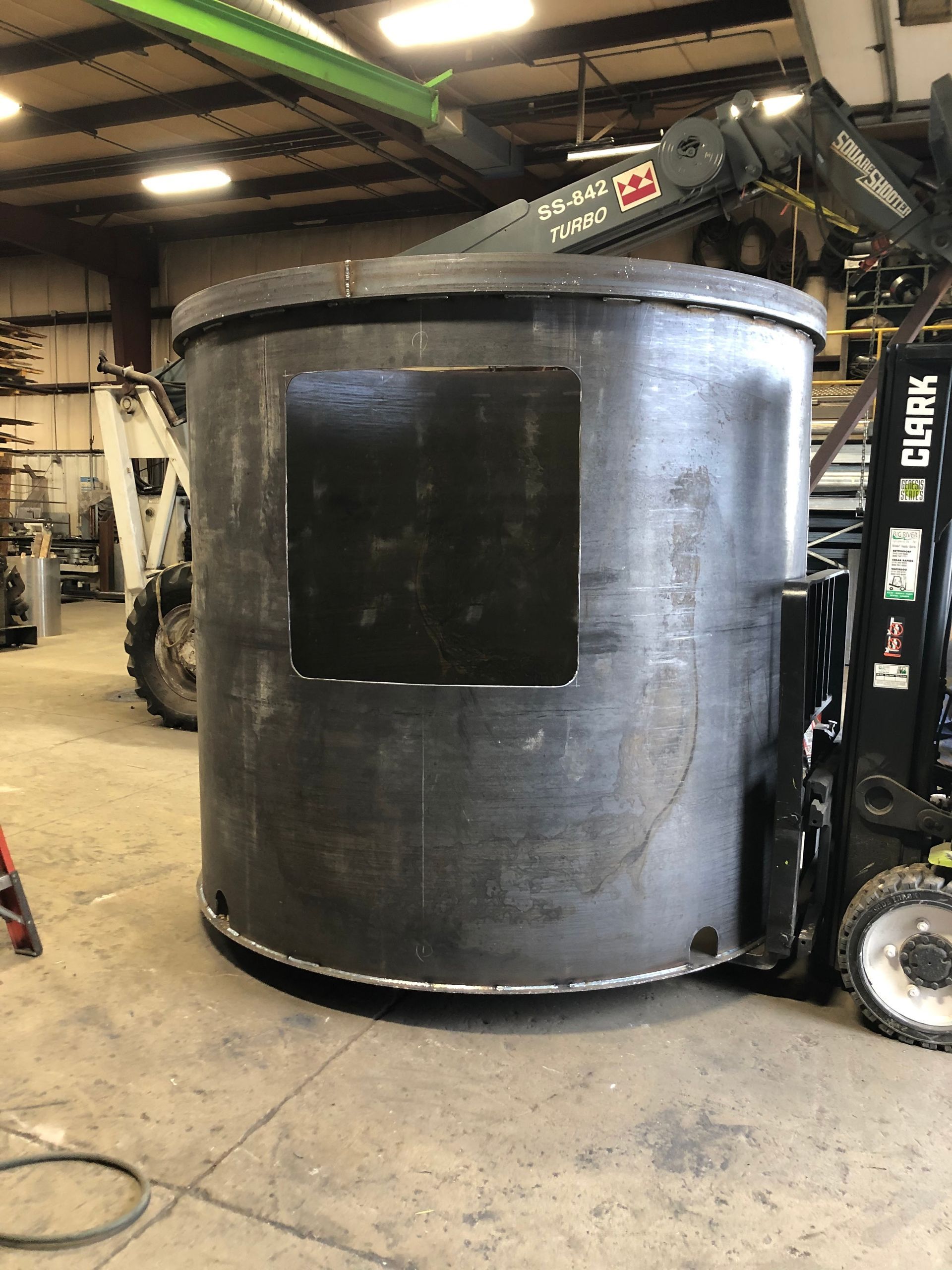
Full cylinders are among the most common formed components in industrial and agricultural fabrication — used in tanks, vessels, pipes, housings, and structural columns. We roll flat plate into complete cylindrical forms across a range of diameters and material thicknesses, producing clean, consistent profiles with accurately aligned seam edges ready for welding and further fabrication.
Partial Arc and Curved Section Forming
Not every application requires a full cylinder. Curved panels, partial arcs, and sector profiles serve a wide range of structural and architectural applications. We form partial curved sections to specified radii and arc lengths, producing components that integrate accurately into larger assemblies — whether for curved structural frameworks, equipment enclosures, or architectural metalwork requiring precise geometric profiles.
Conical Rolling and Taper Forming
Conical components — used in hoppers, chutes, funnels, transition pieces, and specialty vessels — require a forming approach that accounts for the variable radius across the taper. We produce conical sections with consistent taper angles and smooth surface profiles, ensuring accurate fitment to adjacent components and clean seam geometry that supports efficient, high-quality weld joining after forming.
Heavy Plate Rolling
Structural and industrial applications frequently require forming of heavier gauge material that exceeds the capacity of standard rolling equipment. We handle heavy plate rolling for applications including structural rings, thick-wall vessels, equipment bases, and load-bearing curved components — applying the roll pressure and pass sequencing required to achieve accurate geometry in material that demands significant forming force throughout the process.
Stainless Steel and Aluminum Forming
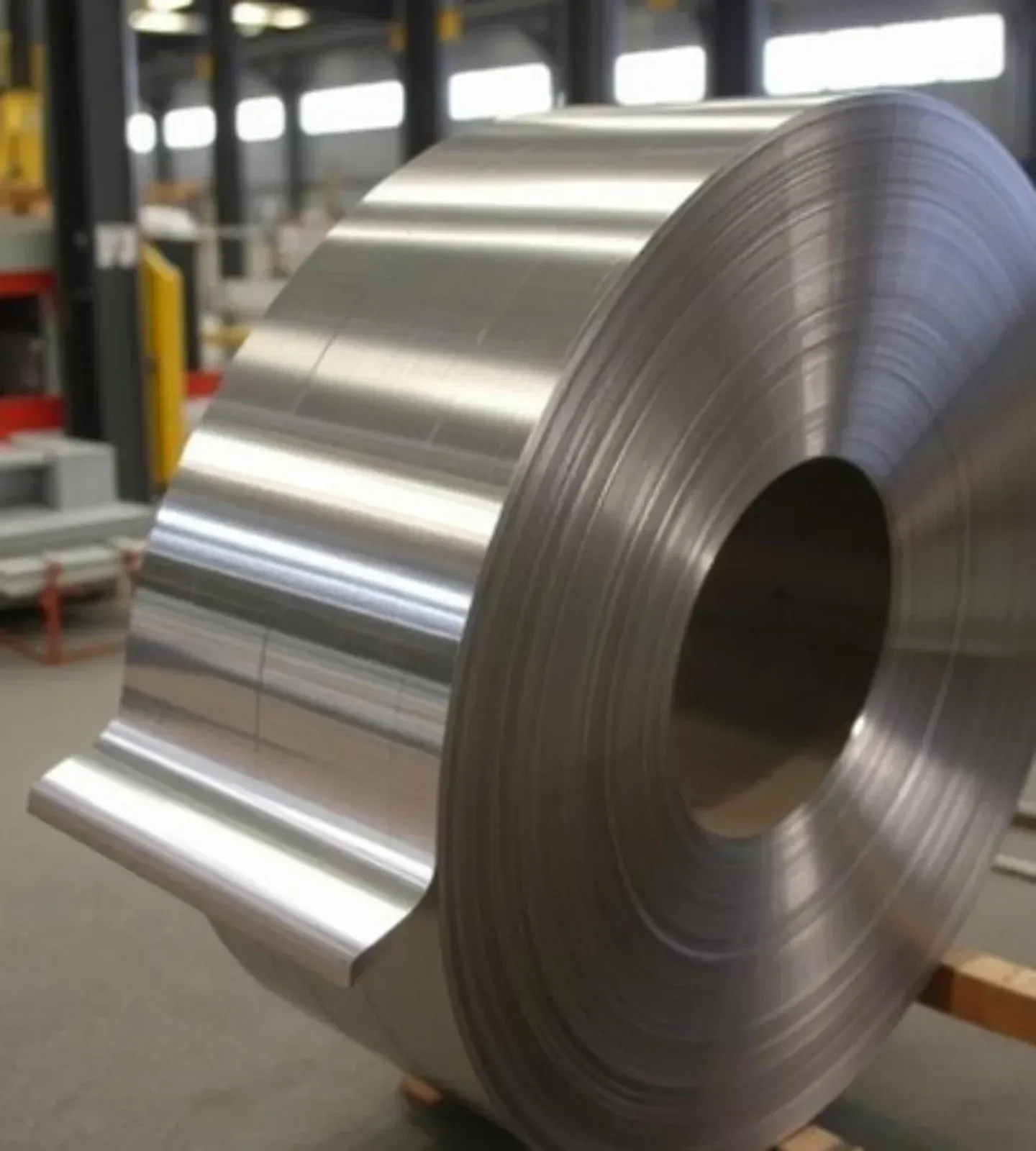
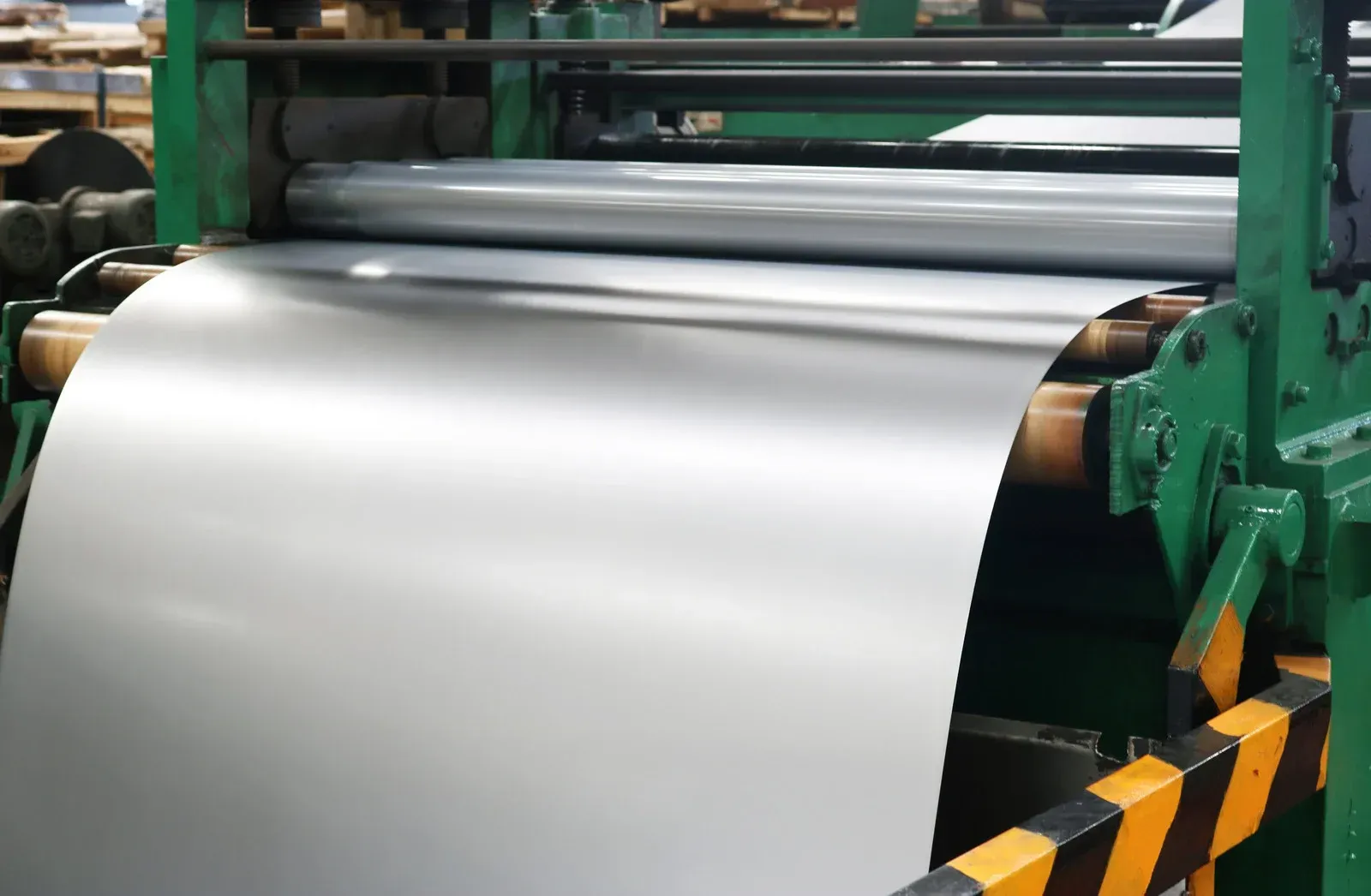
Stainless steel and aluminum present distinct forming challenges compared to mild steel — including greater springback, work hardening sensitivity, and surface finish requirements. We form stainless and aluminum plate with the process adjustments those materials demand, protecting surface quality throughout the rolling process and delivering dimensionally accurate components that meet both the geometric and finish requirements of the application.
Custom Profile and Specialty Forming
Fabrication projects occasionally require formed profiles that fall outside standard cylindrical or conical geometries. Compound curves, asymmetric forms, and application-specific custom profiles require creative setup approaches and close attention to material behavior throughout the forming process. We work with clients to develop the right forming sequence for non-standard profiles, producing accurate results even when the geometry presents significant technical challenges.
Benefits of Plate Rolling & Forming Capabilities
Dimensional Accuracy Across the Full Profile
Maintaining consistent radius and geometry from one end of a rolled component to the other requires calibrated equipment and attentive operator technique. Precise roll pressure settings and proper feed alignment ensure the finished profile matches the specified dimensions — eliminating fitment issues during assembly and reducing the need for corrective rework after forming is complete.
Clean Results Across a Range of Material Thicknesses
Different material thicknesses respond differently to rolling and forming forces. Thin stock requires controlled pressure to prevent distortion, while heavier plate demands equipment with sufficient capacity and operator experience to manage springback accurately. Working across a broad thickness range without sacrificing dimensional quality requires both versatile tooling and deep process knowledge on every job.
Repeatable Geometry for Production and Contract Work
When multiple identical components are required, consistency between pieces is as important as accuracy on any single one. Proper setup documentation, repeatable roll settings, and disciplined process control allow formed components to meet the same dimensional standard across an entire production run — ensuring every piece integrates into its application without adjustment or selective fitting.
Reduced Fabrication Complexity Downstream
Accurately formed components simplify every subsequent fabrication step. When a rolled cylinder arrives at the correct diameter and a cone holds its intended angle, welding, fitting, and assembly proceed without the delays and material waste that come from compensating for dimensional deviation. Precision at the forming stage creates efficiency throughout the entire downstream fabrication workflow.
Suitability for Structurally Demanding Applications
Plate rolling and forming for structural, pressure, or load-bearing applications requires more than basic dimensional accuracy. Material grain orientation, weld seam placement, and forming sequence all affect the structural behavior of the finished component. Applying the correct forming approach for the application's mechanical demands ensures the finished piece performs safely and reliably under the loads it will carry.
Versatility Across a Wide Range of Formed Geometries
Full cylinders, partial arcs, conical sections, and compound curves each require distinct setup approaches and tooling configurations. The ability to produce a wide variety of formed geometries from the same plate rolling equipment — and to transition between them accurately — makes it possible to serve diverse client requirements without compromising dimensional quality or turnaround efficiency on any individual project.
Accurate Forms and Dependable Turnaround, From Our Shop to Yours
Some fabrication work announces itself in straight lines and square corners. Plate rolling and forming work announces itself differently — in the clean sweep of a cylinder, the disciplined taper of a cone, the smooth arc of a curved structural section that fits exactly where it was designed to fit. That kind of result does not happen by accident. It happens because the setup was done correctly, the material was understood, and the process was executed with the patience and skill the work demands.
For clients across Fond du Lac County and east-central Wisconsin who need formed metal components they can trust, Halbach Inc in Malone, Wisconsin, remains ready, equipped, experienced, and genuinely committed to delivering plate rolling and forming work that reflects the four-decade standard we have built our name on.
Frequently Asked Questions
What materials can be plate rolled and formed?
Plate rolling and forming is commonly performed on mild steel, stainless steel, and aluminum. Each material requires different roll pressure settings and process adjustments to achieve accurate geometry. Material selection depends on the application's strength, corrosion resistance, and weight requirements, and we advise clients when specification guidance would be helpful.
What is the typical thickness range your plate rolling equipment handles?
Our plate rolling capabilities span a practical range of material thicknesses suited to both lighter gauge fabrication and heavier structural or industrial plate work. We assess each project's thickness and diameter requirements before quoting to confirm the job falls within our equipment's capacity and can be completed to the specified dimensional tolerances.
How is springback accounted for during the rolling process?
Springback — the tendency of metal to partially return toward its original flat form after rolling — is managed through deliberate overbending during the forming pass. Experienced operators anticipate the springback behavior of each material and thickness combination, adjusting roll settings accordingly to achieve the specified finished radius after the material has fully relaxed.
Can you roll components to a specific diameter or radius from client drawings?
Yes. We work directly from client-supplied drawings, specifications, or dimensional requirements to set up rolling parameters targeting the specified finished geometry. Critical dimensions including inside diameter, outside diameter, and arc length, are confirmed before production begins, and we communicate proactively if any aspect of the specification requires clarification or adjustment.
How are seam edges prepared for welding after rolling?
Seam edge preparation is part of the forming process, not an afterthought. We align and prepare seam edges during and after rolling to ensure consistent gap geometry and proper fit-up for welding. Clean, accurately prepared seam edges reduce welding difficulty, support consistent penetration, and contribute directly to the structural integrity of the finished welded joint.
Do you handle plate rolling for agricultural and industrial equipment applications?
Yes. Agricultural and industrial equipment applications represent a significant portion of our plate rolling work. In Malone, Wisconsin and across Fond du Lac County, clients bring us tank components, equipment housings, transition pieces, and structural rings — and we produce rolled components that meet the dimensional and performance requirements those demanding service environments place on formed metalwork.
Can formed components be welded and finished in the same shop?
Yes. One of the practical advantages of working with a full-service fabrication shop is the ability to carry a project from rolling and forming directly into welding, seam finishing, and any required secondary fabrication — without transferring work between facilities. This integrated workflow reduces handling time, maintains dimensional consistency, and simplifies project coordination for the client throughout production.
How do I request plate rolling services from Halbach Inc. in Malone, Wisconsin?
Contacting Halbach Inc. with your project specifications — including material type, thickness, target diameter or radius, quantity, and any relevant drawings — is the most efficient starting point. Our team reviews the details, confirms equipment suitability, and provides an accurate quote. Clients throughout the Malone area and surrounding Fond du Lac County region are welcome to reach out directly to discuss project requirements.
What our customers have to say...
Testimonials